In today’s super busy work world, picking the right ergonomic office chair isn’t just a luxury — it’s actually pretty vital for keeping employees productive and feeling good. Did you know that, according to the American Chiropractic Association, about 80% of Americans will deal with back pain at some point? A good-quality ergonomic chair can really make a difference, cutting down on discomfort and supporting overall health. Experts like Dr. Laura McKenzie, who’s a well-known researcher in ergonomics, always say that investing in comfortable, well-designed Office Furniture can seriously boost job satisfaction and work efficiency.
Honestly, a lot of companies overlook how much the right seating can impact their staff. When folks aren’t comfortable, their focus just kind of drifts away. There was a survey from Global Workplace Analytics that found companies could save up to $6,000 per employee each year just by tackling health and productivity issues. The tricky part, though, is choosing the right ODM service that really fits what your workplace needs — because not all ergonomic chairs are equal. If you pick the wrong one, you might end up wasting money and still dealing with discomfort.
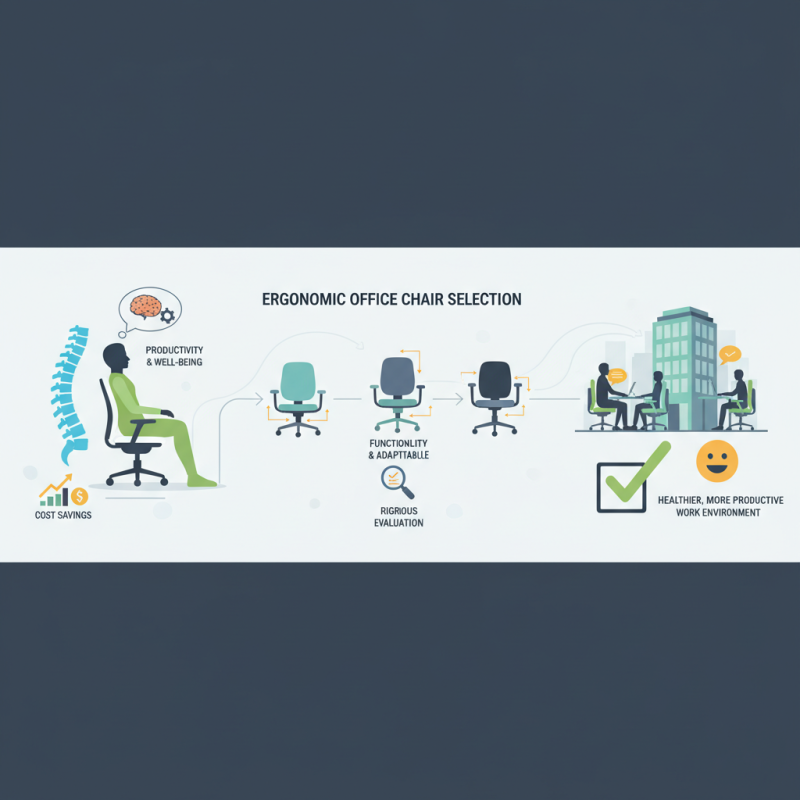
So, taking the time to really evaluate your options is so worth it. It’s not just about how it looks or the price tag — what matters most is how well the chair works and whether it can adapt to different users. Every workspace is different, and a ‘one-size-fits-all’ approach doesn’t usually cut it. Making thoughtful choices now will help create a healthier, happier, and more productive environment in the long run.
Understanding ODM and Its Importance in Office Furniture
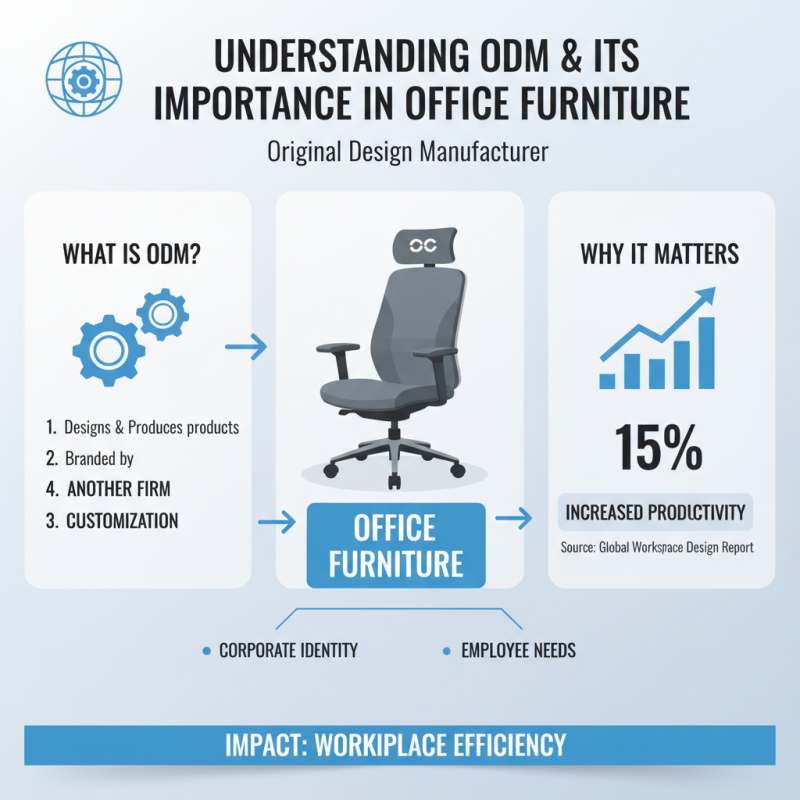
Understanding ODM in office furniture is crucial. ODM stands for Original Design Manufacturer. It refers to companies that design and produce products that are branded by another firm. This model allows businesses to customize office furniture, such as ergonomic chairs, to align with their corporate identity and employee needs. A survey from the Global Workspace Design report highlights that well-designed furniture increases productivity by 15%. Thus, choosing the right ODM service can directly impact workplace efficiency.
When selecting an ODM for ergonomic chairs, consider design capabilities. A reputable ODM should showcase a portfolio of innovative designs. Target functionality that supports posture and comfort. The American Chiropractic Association suggests that ergonomic chairs reduce back strain by 33%. A chair that adjusts to body types fosters a healthier work environment. Always verify the materials used. High-quality materials enhance durability and user experience.
Tip: Request prototypes before making a decision. Testing a chair helps determine its fit for your workflow. Ensure the ODM understands your workplace dynamics. They should offer flexibility to adapt designs. It’s important to communicate your specific needs. A close collaboration can yield the best results, addressing both style and ergonomics effectively.
Identifying Ergonomic Features for Optimal Comfort and Support
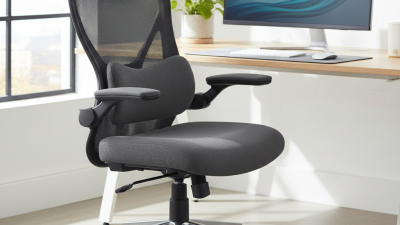
When choosing an ergonomic office chair, identifying the right features is crucial for comfort and support. Research shows that 65% of workers experience discomfort due to poor seating options. Prioritizing lumbar support is key. A chair with adjustable lower back support can alleviate strain, allowing for better posture and reducing fatigue.
Seat height adjustment is another important aspect. Workers should be able to place their feet flat on the floor. This simple adjustment can improve circulation and focus. According to a study, chairs that allow versatile adjustments reduce the risk of musculoskeletal disorders by 30%. Look for chairs with a seat pan that allows fore and aft movement; it can cater to various body types.
Consider the material of the chair. Breathable mesh can ensure proper ventilation, especially during long hours. However, be mindful that not all mesh is created equal. Some may lack durability or support over time. Testing several chairs before making a decision can provide insight into personal comfort levels, helping avoid potential regrets later.
Evaluating the Quality and Durability of Office Chairs
When selecting an ergonomic office chair, assessing quality and durability is crucial. The materials used significantly influence the chair's comfort and lifespan. Look for breathable fabrics and sturdy frames. Ensure the chair supports long hours of use without causing fatigue.
Here's a tip: Test the chair in-store if possible. Sit for at least 15 minutes. Pay attention to how the chair feels against your back. This helps identify any pressure points that could lead to discomfort later.
Another factor to consider is the warranty offered. A longer warranty often indicates confidence in the chair's durability. However, be wary of chairs with vague warranty terms. Read the fine print to understand what is covered and for how long.
Evaluate customer reviews as well. Look for feedback on both comfort and durability after frequent use. Be critical of exaggerated claims, as not all five-star ratings reflect real-life experiences. A thoughtful investigation can guide you to make a better choice for your workplace.
How to Choose ODM Buy Ergonomic Office Chair Service for Your Workplace?
| Feature | Description | Importance (1-5) | Durability (Years) |
| Adjustable Height | Allows users to customize the chair height for optimal comfort. | 5 | 5 |
| Lumbar Support | Provides back support, promoting good posture and reducing discomfort. | 5 | 7 |
| Material Quality | High-quality materials ensure better comfort and durability. | 4 | 10 |
| Warranty | A warranty period that covers major repairs and replacements. | 3 | 5 |
| Mobility | Swivel and rolling features for easy movement around the workspace. | 4 | 6 |
Assessing Customization Options for Specific Workplace Needs
When selecting an ergonomic office chair service, customization options are crucial. Many workplaces have unique needs. For example, a report by the International Ergonomics Association states that customized chairs can lead to a 25% increase in worker productivity. This emphasizes the importance of assessing what features are necessary for your team.
Consider aspects like seat height, lumbar support, and armrest adjustments. These features should cater to individual preferences. A recent study found that 60% of employees prefer lumbar support that matches their specific posture. Without this customization, employees may experience discomfort. This discomfort can lead to decreased job satisfaction and higher turnover rates.
It's important to reflect on the existing office setup. Are the current chairs suitable for all employees? Customizable solutions can enhance overall well-being. However, some companies may overlook this. They might stick to standard options due to budget constraints. Yet, investing in ergonomic chairs can save costs in the long run. Healthier employees mean fewer health-related absences and higher productivity.
Comparing Costs and Budget Considerations for ODM Services
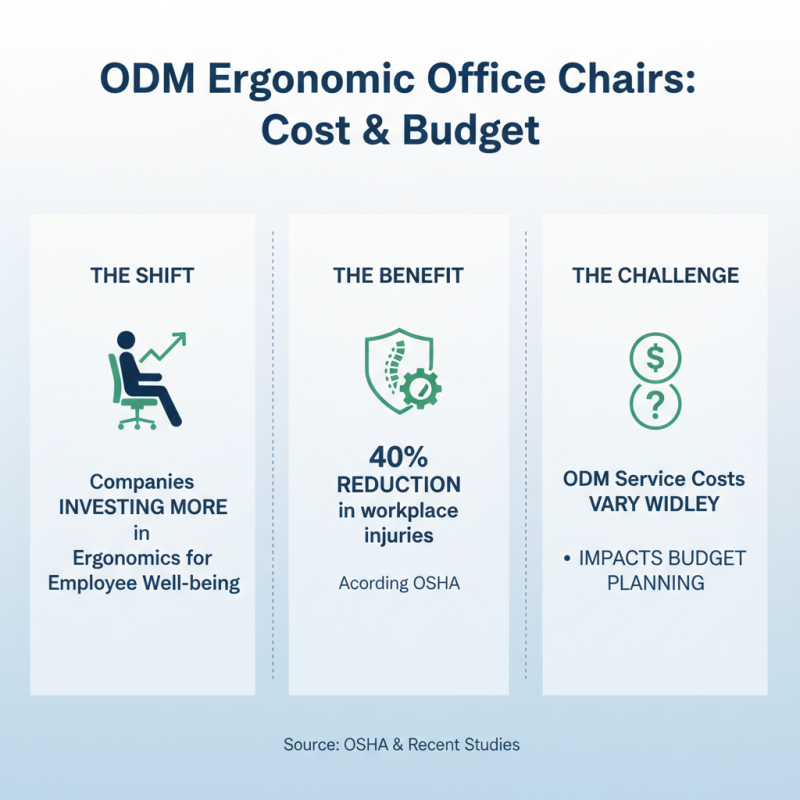
When considering ODM services for ergonomic Office Chairs, budget is a crucial aspect. Recent studies show that companies are increasingly shifting towards investing in ergonomics to enhance employee well-being. According to the Occupational Safety and Health Administration (OSHA), ergonomic improvements could reduce workplace injuries by up to 40%. However, costs associated with ODM services can vary widely, affecting overall budget planning.
On average, businesses might spend between $200 to $800 per chair. While this range seems considerable, it’s vital to weigh these costs against potential gains. A survey by the Bureau of Labor Statistics indicates that companies with ergonomic workspaces report up to a 25% boost in productivity. Yet, an initial investment may lead to hesitance. Organizations often overlook the long-term savings from reduced health-related absences.
Moreover, organizations should consider potential hidden costs. More expensive chairs often promise superior materials and longevity, reducing the need for replacements. Conversely, opting for a low-cost chair may lead to more frequent purchases. Reflecting on these choices can significantly impact workplace morale and employee satisfaction. The decision-making process should include a thorough cost-benefit analysis to align budget considerations with long-term organizational goals.
Researching and Selecting a Reliable ODM Manufacturer
When looking for a reliable ODM manufacturer for ergonomic office chairs, there are several key factors to consider. An experienced manufacturer should understand specific ergonomic needs. They should provide a range of designs, comfort features, and adjustability options. Check if they prioritize user feedback in their design process. Such responsiveness indicates their commitment to quality.
Researching potential manufacturers is crucial. Start by examining their experience in the industry. A long history can often signal reliability. Look for certifications or awards that affirm quality assurance practices. Online reviews can offer insights. However, be cautious; not all reviews reflect the true situation.
Take the time to communicate directly with manufacturers. Ask questions about their production processes and materials. Assess their willingness to collaborate on custom designs. A reliable partner will provide transparency and be open to dialogue. A thorough vetting process ensures that you choose a service that aligns with your workplace needs.
Reviewing Customer Feedback and Case Studies in Ergonomic Solutions
When selecting an ergonomic office chair, reviewing customer feedback is crucial. A 2022 survey reveaLED that 85% of office workers reported discomfort within six months of using a poorly designed chair. These chairs often lack crucial lumbar support, leading to back pain and decreased productivity. Data suggests that an ergonomic chair can reduce this pain by up to 40%.
Case studies highlight the importance of ergonomics in workplace design. In one instance, a tech company redesigned their office with Adjustable Chairs. Over six months, employees' productivity scores rose by 15%. Feedback indicated a notable decrease in complaints about discomfort. Such results underline the direct correlation between ergonomic solutions and employee wellness.
However, not all feedback is positive. Some users reported that even with ergonomic features, adjustments were not sufficient for their unique needs. This highlights the importance of flexibility in design and the need for personalization. An effective ergonomic chair should accommodate various body types and preferences, ensuring a better fit for each employee.
Enhancing Workplace Aesthetics and Functionality with High Quality Lacquered Office Furniture
In today's competitive business environment, the aesthetic and functional appeal of workplace furnishings can significantly influence employee productivity and morale. A recent industry report suggests that well-designed office spaces can enhance employee performance by up to 20%. High-quality lacquered office furniture stands at the forefront of this transformation, providing a blend of elegance and durability that meets the diverse needs of modern workplaces.
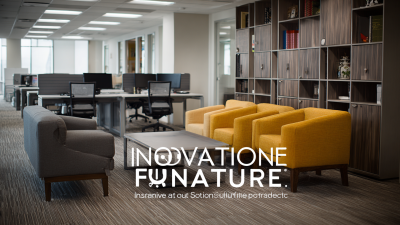
The Junshi lacquered series offers a comprehensive range of office furniture, including workstations, desks, chairs, and filing cabinets. The sleek finish of lacquered surfaces not only adds a sophisticated aesthetic but also ensures easy maintenance, which is crucial for high-traffic areas like offices and conference rooms. With the increasing emphasis on creating engaging work environments, it's essential to select furniture that promotes both functionality and style. Research indicates that companies investing in well-designed office furniture can realize significant returns, with many reporting increased employee satisfaction and retention rates.
Moreover, lacquered office furniture is versatile, suitable for various applications within different industries. Whether used in collaborative spaces, private offices, or reception areas, the adaptability of lacquered designs allows businesses to create cohesive and attractive environments that reflect their brand identity. By prioritizing quality and design, organizations can cultivate an inspiring workplace atmosphere that fosters creativity and collaboration, essential elements for thriving in today's fast-paced market.
FAQS
: Look for lumbar support, adjustable height, and seat pan movement. These features enhance comfort and reduce strain.
Lumbar support helps maintain proper posture. It reduces fatigue and discomfort, improving overall productivity at work.
Adjustable seat height allows your feet to rest flat on the floor. This simple change can boost circulation and focus.
Consider breathable mesh for ventilation. However, some mesh may lack durability, so test chairs for comfort before buying.
Customized chairs can increase productivity by 25%. They cater to individual preferences, making employees feel more comfortable.
Reflect on whether current chairs meet everyone’s needs. Custom solutions may enhance employee well-being compared to standard options.
Research manufacturers' experience and check certifications. Good communication and responsiveness to feedback signal reliability.
Online reviews can help, but they may not always be accurate. Look for patterns rather than relying on single opinions.
Inquire about their production processes, material sources, and willingness to collaborate on custom designs for ergonomic needs.
Budget constraints can lead to choosing standard chairs. However, investing in ergonomic designs could save costs in the long term.
Conclusion
Choosing the right ODM service for ergonomic office chairs is crucial for enhancing workplace comfort and productivity. Understanding the significance of ODM in office furniture allows businesses to identify essential ergonomic features, such as lumbar support and adjustable seating options, that contribute to optimal comfort and health. Evaluating the quality and durability of chairs is vital to ensure long-term investment returns, while customization options should be assessed to meet specific workplace requirements.
Additionally, comparing costs and budget considerations is important when opting for ODM services. Researching and selecting a reliable ODM manufacturer is key to ensuring high-quality ergonomic solutions. Finally, reviewing customer feedback and case studies can provide valuable insights into effective ergonomic office chair implementations, aiding in informed decision-making for a healthier work environment.